
Bedrooms and bathrooms are two of the most common places for condensation mould because they combine everyday moisture with surfaces that may stay cool or poorly ventilated. In bathrooms, steam and splashing are the obvious sources. In bedrooms, breathing overnight, closed windows and furniture against external walls can create enough trapped moisture for mould to return repeatedly.
Why bathrooms are high risk
Bathrooms are exposed to hot steam, wet surfaces and repeated cycles of moisture. If extraction is weak or the room stays damp for long periods after use, mould often appears on ceilings, grout, silicone and other slow-drying areas.
Why bedrooms are high risk
Bedrooms can look dry during the day while still suffering from regular overnight condensation. Common warning signs include black spotting near windows, on outside wall corners, behind wardrobes and around cold surfaces with limited airflow.
What the two rooms have in common
Both rooms can suffer from the same broader pattern:
- moisture is being produced regularly
- the room is not drying fast enough
- colder surfaces hold moisture longer
- mould regrows because the conditions repeat
That means treatment should focus on both the visible mould and the room conditions.
A practical treatment route
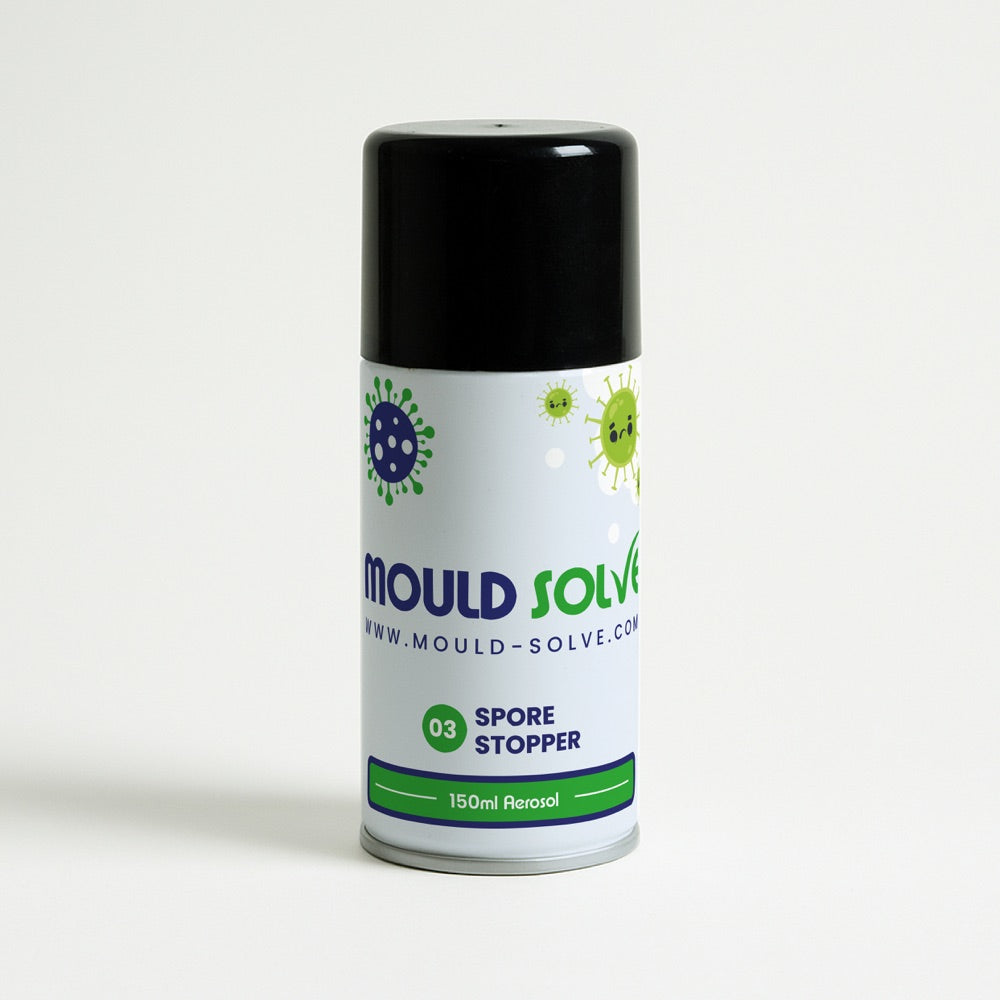
!Mould Solve Spore Stopper Mould Fogger 150ml
For visible mould, begin with Mould Removal Sprays on suitable surfaces. If the area needs further preparation before decorating, move into Mould Prevention & Primers. For painted walls or ceilings ready for the finishing stage, Anti-Mould Paint may be the next step.
Prevention matters as much as cleaning
To reduce recurrence:
- improve extraction in bathrooms
- let surfaces dry down after showers
- maintain airflow in bedrooms
- avoid pushing large furniture tightly against cold outside walls
- keep an eye on persistent cold spots and repeated window condensation
If you want a clearer route across the stages, the Mould Treatment Kits are worth comparing.

