
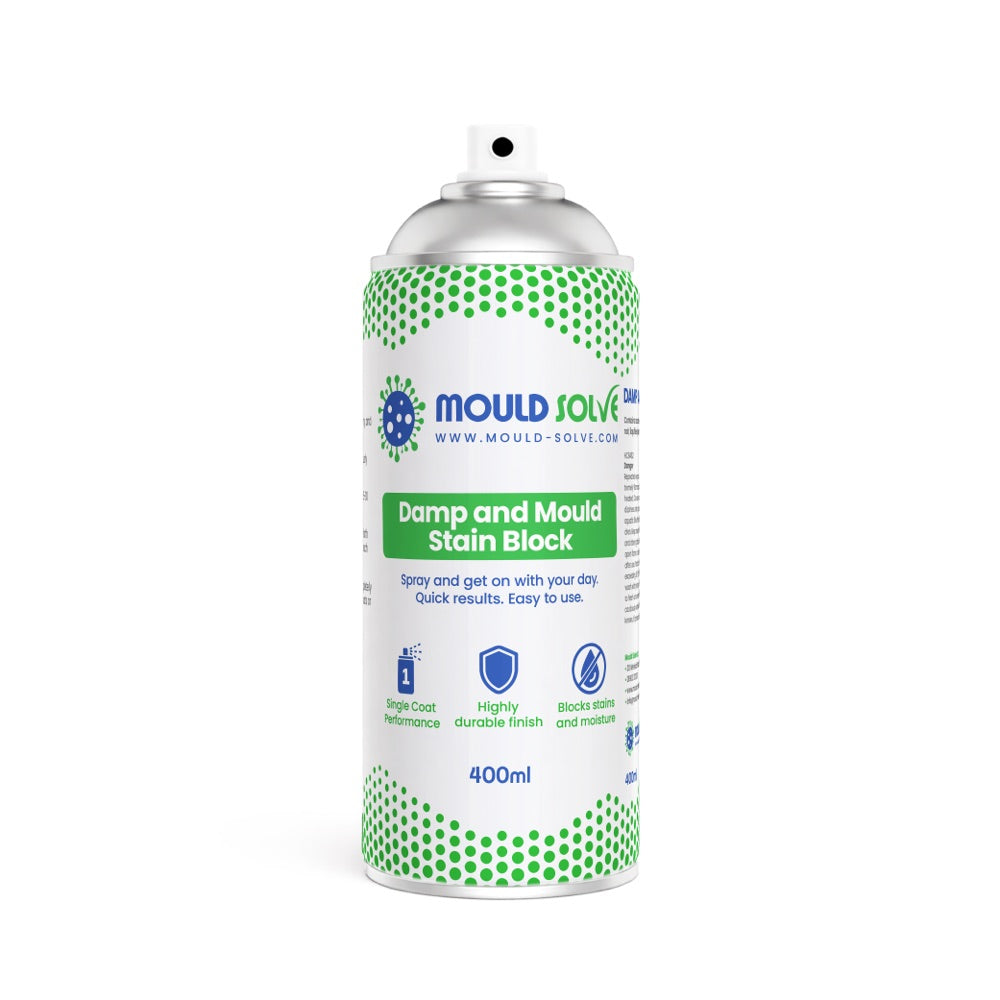
People often use mould and damp as if they mean the same thing, but they are not identical. Damp describes unwanted moisture in or on part of the building. Mould is a biological growth that often appears when moisture is available for long enough. In other words, damp can create the conditions that allow mould to grow, but the visible mould patch is only part of the story.
What mould usually looks like
Mould often appears as black, grey, green or dark spotting on surfaces such as painted walls, ceilings, window reveals, grout lines and other areas that stay cool or slow to dry. It commonly shows up where condensation forms repeatedly, where airflow is poor, or where moisture lingers after cleaning, bathing or cooking.
What damp usually means
Damp is broader. It may show up as staining, peeling paint, salty deposits, musty smells, cold patches, moisture in the wall or recurring wet areas after rain or leaks. Some damp problems lead to mould, but others may mainly show themselves through surface damage, staining or persistent moisture without heavy visible fungal growth.
Why the distinction matters
If you only treat the mould you can improve the appearance of the surface, but if the damp or moisture source remains, the same problem may return. That is why mould treatment works best when paired with a basic understanding of where the moisture is coming from.
Common causes of mould without major structural damp
- condensation in bedrooms and bathrooms
- poor ventilation
- cold external walls
- furniture blocking airflow
- repeated steam or indoor moisture
!Mould Solve Mould Eliminator Spray 750ml
In those cases, Mould Removal Sprays may be the first stage, followed by a preparation or protection route where appropriate.
Common signs you may be dealing with a bigger damp issue
- staining that keeps returning
- paint blistering or failing
- patches that feel wet rather than just marked
- problems following a leak, flooding or rain penetration
- mould combined with broader surface damage
When that happens, surface treatment may still help, but moisture investigation becomes more important.
Where to start if you are unsure
If the problem is visible mould on a suitable surface, start with Mould Removal Sprays. If you know the area will need preparation before decorating, review Mould Prevention & Primers. If the whole route feels unclear, compare the Mould Treatment Kits.

