
Bleach is the first thing most people reach for when black spotting appears on a wall or ceiling. It is cheap, it is already under the sink, and the patch usually looks better within minutes. The problem is that looking better and being treated are not the same thing, which is why so many bleached patches are back a few weeks later.
What bleach actually does to a mould patch
Household bleach is very good at removing colour. On a mould-affected wall that means the dark staining fades quickly, so the surface reads as clean almost immediately.
What it does not reliably do is deal with what sits below the surface on porous materials. Painted plaster, emulsion, filler, plasterboard and grout all hold moisture and can hold growth within the surface rather than only on top of it. Bleach is mostly water, so on a porous surface the water content can soak in while the active part stays near the top.
The visible result is a wall that looks clean. The practical result is often a wall that is slightly damper than before, with the cause of the problem untouched.
Why the patch usually comes back
Mould returns when the conditions that allowed it to grow are still there. In most homes that means a cold surface, limited air movement and everyday moisture from washing, cooking, drying clothes and breathing.
Bleaching the patch changes none of those. It removes the evidence, which makes it harder to judge whether treatment worked, and it can encourage people to repeat the same clean every few months rather than change anything.
If a patch has been cleaned more than once and keeps returning in the same place, that is a signal to look at the room conditions rather than the cleaning product. There is more on this in why mould keeps coming back after cleaning.
The practical problems with bleach indoors
Beyond the results, there are some everyday reasons to be careful with bleach on interior surfaces:
- fumes build up quickly in small rooms such as bathrooms and en suites
- it can lighten or patch coloured emulsion, wallpaper and grout
- it can damage fabrics, carpet and soft furnishings if it splashes
- it must never be mixed with other cleaners, particularly anything containing ammonia
- it adds moisture to a surface that already has a moisture problem
- it can affect the finish, which matters if the wall is about to be repainted
None of this makes bleach useless around the house. It makes it a poor fit for porous, painted, condensation-prone interior surfaces.
What to use instead
A better route for indoor mould is a product designed for the surface and the problem, used as part of a remove, treat and protect sequence rather than a single wipe.
- Remove the visible growth with a suitable mould treatment product rather than a general disinfectant
- Treat the affected surface so it is properly prepared rather than just decoloured
- Protect the area with an appropriate finish where redecorating is planned
- Improve the moisture conditions so the same patch is less likely to return
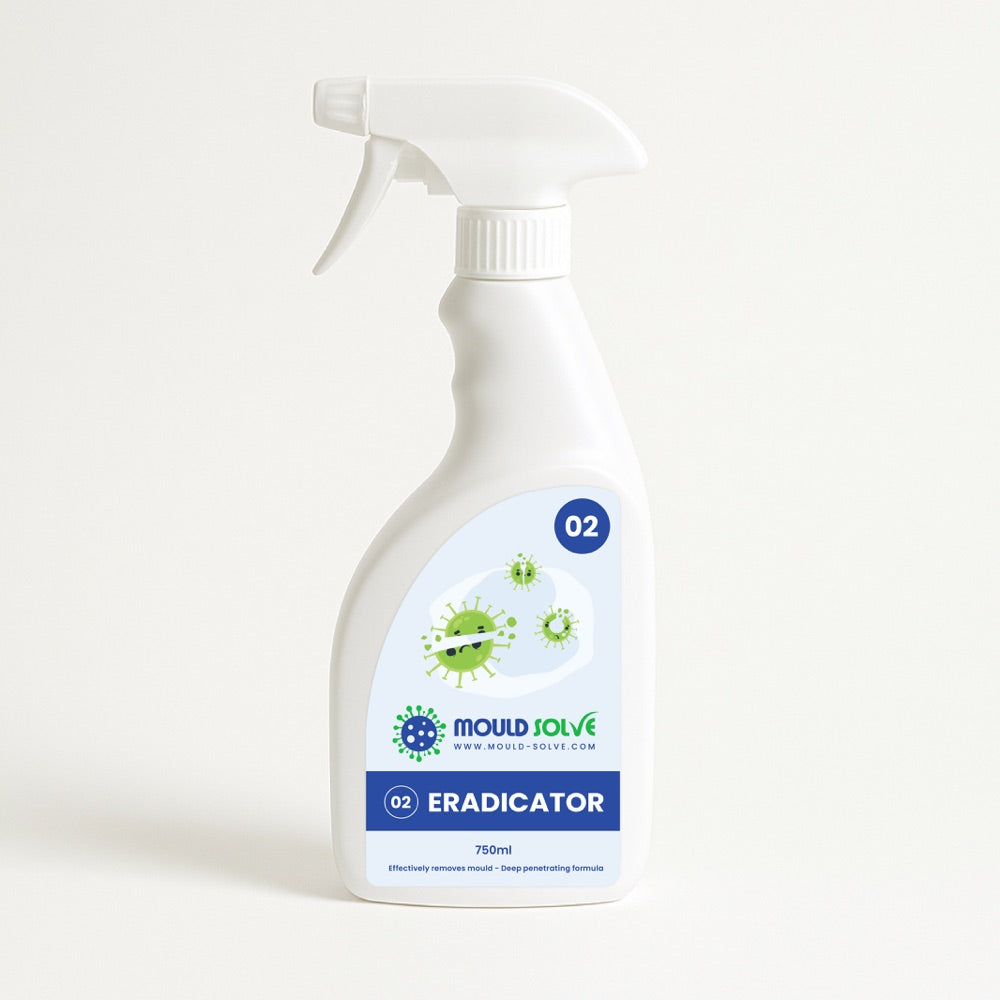
!Mould Solve Mould Eradicator Spray 750ml
For the first two stages, start with Mould Removal Sprays. If the room is being redecorated afterwards, look at Mould Prevention & Primers and Anti-Mould Paint. For a complete route in one purchase, the Mould Treatment Kits group the stages together with protective equipment.
If you have already bleached the wall
That is not a problem, and it does not stop you treating the area properly afterwards. It does mean two things are worth doing first:
- let the surface dry fully before applying anything else, because a damp wall will affect both treatment and paint
- ventilate the room well and do not apply another product on top of wet bleach
Once the area is dry, treat it as you would any other mould-affected surface and follow the normal remove, treat and protect order.
When the answer is not a product at all
Some patches are a decorating job. Others are a building job. If any of the following apply, investigate the moisture source before spending anything on treatment:
- the wall feels damp to the touch rather than just cold
- staining reappears within days
- the problem followed a leak, a roof issue or flooding
- paint is bubbling, lifting or failing repeatedly
- there is a musty smell with no visible growth
In those cases, surface treatment can still be part of the answer, but it will not be the whole answer. There is more detail in when surface treatment is not enough.
FAQs
Does bleach kill mould spores in the air?
No. Wiping a surface does not deal with airborne spores in the room, which is a separate consideration during and after treatment.
Is bleach safe on bathroom grout?
Grout is porous, so the same limitations apply. Bleach may lighten the staining without properly addressing the affected surface, and it can discolour coloured grout. There is more in the bathroom mould treatment guide.
Can I paint over a wall I have bleached?
Only once it is completely dry and the mould has been dealt with properly. Painting over a damp or untreated patch usually leads to the finish failing. See can you paint over mould?
Why did the mould come back darker than before?
Bleach removes colour rather than the conditions for growth, so returning growth on a lightened surface can look more obvious against the paler background.

