
Water running down the inside of the glass in the morning is one of the most common household complaints in colder months. It is also one of the earliest warnings that a room has more moisture in the air than it can handle, which is why window condensation and black spotting around reveals so often appear together.
Why condensation forms on glass first
Warm air holds more moisture than cold air. When moist indoor air meets a cold surface, it cools and releases that moisture as water. Glass is usually the coldest surface in the room, so it collects the evidence before anywhere else does.
That means condensation on the window is not really a window problem. It is a room problem showing up at the coldest point. The same conditions are usually also affecting corners, reveals, external walls and any surface behind furniture.
Where the moisture is coming from
Normal daily activity in a home produces a surprising amount of water vapour:
- showering and bathing
- cooking, especially boiling and steaming
- drying clothes indoors or on radiators
- washing up and using a washing machine
- unvented tumble drying
- breathing, particularly in bedrooms overnight
None of these are unusual. The issue is when that moisture has nowhere to go, which is far more common in well-sealed modern homes and in rooms where windows and vents stay shut in winter.
The three levers that actually change it
Almost every practical fix falls into one of three groups.
1. Produce less moisture
- put lids on pans while cooking
- run the extractor fan during and for a while after showering or cooking
- vent tumble dryers outside, or use a condenser model
- dry washing outdoors where possible, or in one room with the door closed and a window or vent open
- keep bathroom and kitchen doors shut while the room is in use
2. Move moist air out
- use background ventilation such as trickle vents where fitted
- open windows briefly but widely after showering, cooking or drying clothes
- check that extractor fans actually pull air, not just make noise
- avoid blocking air bricks and vents
Short, sharp ventilation works better than leaving a window on the latch all day, because it clears the moist air without chilling the room fabric.
3. Reduce cold surfaces
- keep background heating steadier rather than short bursts of high heat
- avoid letting rooms drop cold and then heating them quickly
- keep furniture slightly away from cold external walls so air can move
- use curtains and blinds sensibly, remembering that closed curtains keep the glass colder
Dealing with the sills and frames
Standing water on a sill needs wiping rather than leaving. Water sitting overnight soaks into paint, sealant and timber, and those areas are where mould usually starts.
- wipe glass and sills each morning during colder months
- check the sealant line between frame and wall for gaps
- look for black spotting on the reveal corners, which is the first place growth appears
- treat any visible growth before it spreads across the reveal
!Mould Solve Mould Eliminator Spray 750ml
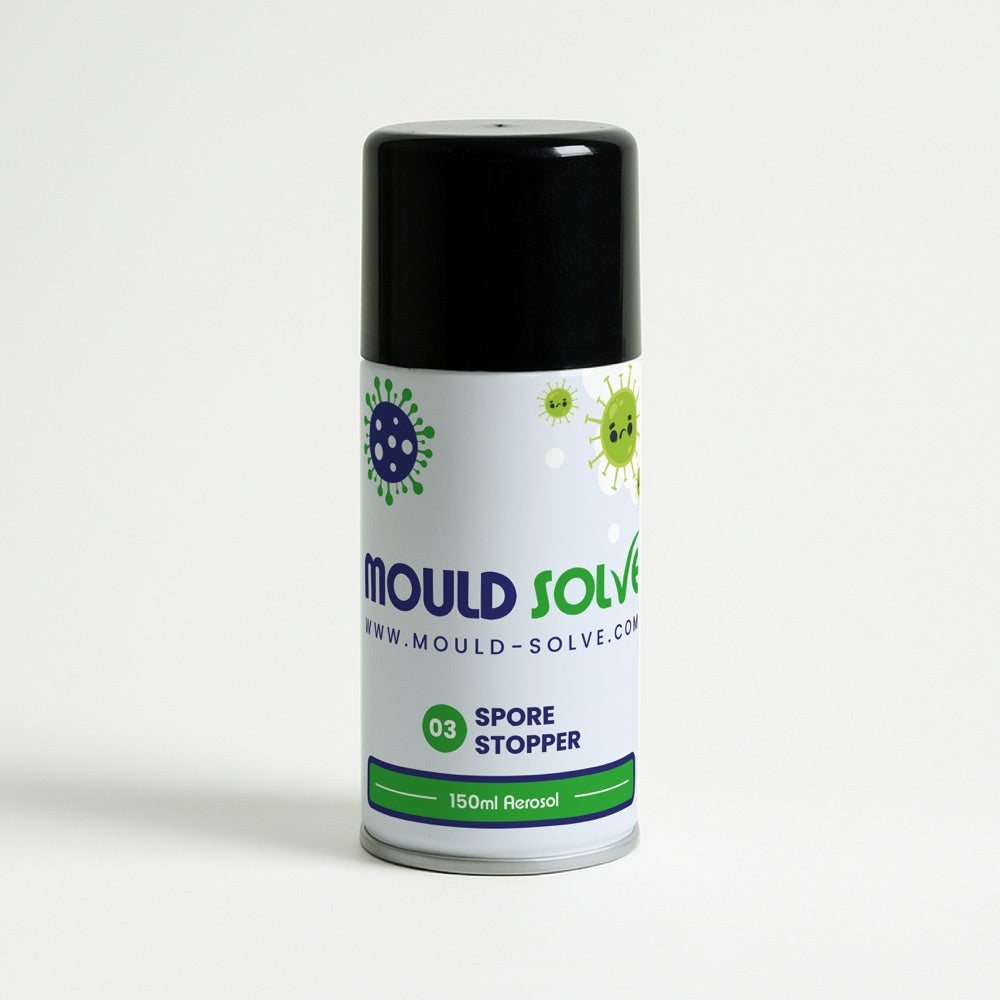
If spotting has already appeared around the reveal or frame, deal with the growth using a product intended for the surface. Start with Mould Removal Sprays. If you plan to redecorate the reveals afterwards, Mould Prevention & Primers and Anti-Mould Paint cover the protective stage.
When condensation points to something bigger
Occasional condensation in cold weather is normal in most homes. Some patterns are worth investigating further:
- condensation between the panes of a double-glazed unit, which usually means a failed seal rather than a room moisture problem
- water appearing in warm weather as well as cold
- damp that is worse at low level or spreads upward on a wall
- staining that reappears quickly after decorating
- a persistent musty smell with no visible growth
Those point beyond ventilation and towards a building issue. There is more in mould vs damp and when surface treatment is not enough.
A simple winter routine
- Wipe glass and sills in the morning where water has collected
- Ventilate briefly after showering, cooking and drying clothes
- Keep background heat reasonably steady
- Check reveals and corners monthly for early spotting
- Treat any growth as soon as it appears rather than waiting
Doing this from autumn onward is far easier than dealing with an established patch in February. There is a seasonal version of this in how to stop mould returning after winter.
FAQs
Is condensation on windows always a sign of mould?
No, but it shows the conditions mould needs. Persistent condensation usually leads to growth somewhere in the room eventually.
Why does only one room get it?
Usually because that room produces more moisture, gets less ventilation, or has colder surfaces. Bedrooms and bathrooms are the most common.
Will opening a window all day fix it?
It helps but it also chills the room fabric, which can make cold-surface condensation worse elsewhere. Short, wide ventilation after moisture-producing activity is usually more effective.
Does condensation inside double glazing mean the same thing?
No. Moisture trapped between the panes points to a failed unit seal and is a glazing repair rather than a ventilation issue.

