
Damp and mould in a rented home is one of the most common disputes between tenants and landlords, and it usually goes badly for the same reason: the problem gets mentioned in passing, nothing is written down, and months later nobody agrees on what was reported or when. Reporting it properly changes that.
This guide is about the practical steps. It is general information rather than legal advice, and if you need advice about your specific situation, organisations such as Citizens Advice and Shelter can help, and your local council's environmental health team deals with housing conditions.
Report it in writing, early
Email or a message through the letting agent's portal is far better than a phone call, because it creates a dated record. A phone call is fine as a first step, but follow it up in writing the same day.
Include:
- which rooms and which surfaces are affected
- when you first noticed it
- how it has changed since
- whether it follows rain, cold weather, or a specific event such as a leak
- anything you have already reported that might be related
- clear photographs with dates
- any health conditions in the household that make it more urgent
Keep a copy of everything you send and receive.
Keep a simple record
A short, factual log is the single most useful thing you can do:
- dated photographs of each affected area, taken from the same position each time
- notes of when condensation appears and how much
- dates of every report, response and visit
- what was said, agreed or done at each visit
- notes of any repair that was promised but not carried out
If a dispute develops later, this record is what makes the difference.
What landlords are generally responsible for
Landlords have legal duties around the condition of rented homes, including obligations relating to damp and mould and, for social housing in England, specific requirements introduced following the Awaab Ishak case. The precise duties and timescales depend on the type of tenancy, where you are in the UK, and current legislation, so check the current government guidance or take advice from Citizens Advice or Shelter for your situation.
In broad terms, the things that usually sit with the landlord are:
- repairs to the structure and exterior, including the roof, gutters, walls and windows
- fixing leaks in plumbing, heating and drainage
- providing and maintaining adequate ventilation, including extractor fans
- ensuring the heating system works properly
- dealing with defects causing damp rather than only treating the surface
What tenants are usually expected to do
There is a shared element to condensation problems, and being able to show you are doing your part strengthens your position rather than weakening it.
- use extractor fans where they are provided and working
- ventilate after showering, cooking and drying clothes
- heat the property reasonably where you are able to
- avoid blocking vents and air bricks
- report problems promptly
- allow access for inspections and repairs
If you cannot heat the property adequately, say so in writing rather than leaving it unstated. It is relevant information, and it is a common and legitimate issue.
What you can do in the meantime
While the repair or investigation is being sorted out, you can reasonably deal with the visible growth so the room stays liveable. Doing so does not mean you have accepted responsibility for the cause, particularly if you have reported it in writing and kept your record.
!Mould Solve Essential Mould Treatment Kit with two sprays, FFP3 mask, gloves and cloth
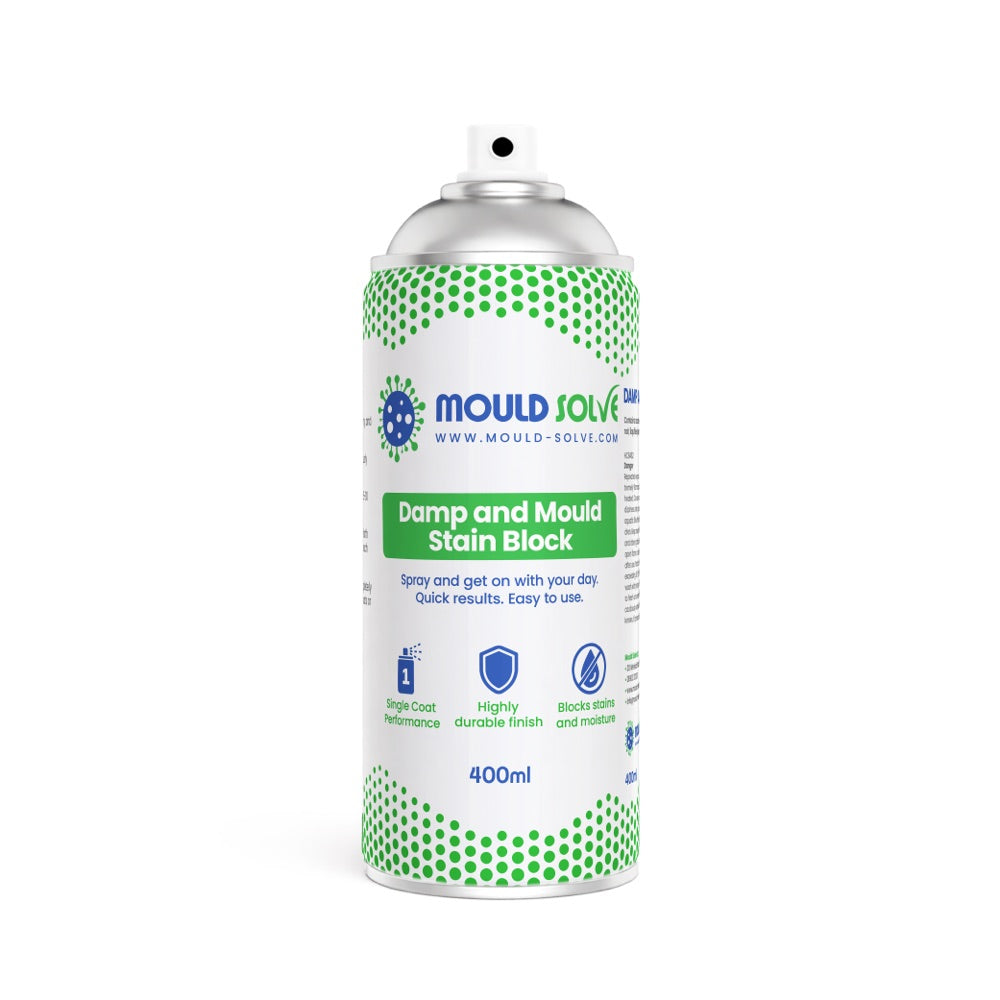
Before you clean it, photograph it. Then treat the visible growth on suitable hard surfaces using a product intended for the job, from Mould Removal Sprays, or a complete route from the Mould Treatment Kits. Work safely, with ventilation and protection, as covered in safety when removing mould.
A few practical points specific to renting:
- do not redecorate over a live problem, and check your tenancy before decorating at all
- do not remove or alter fixtures, ventilation or fittings yourself
- keep receipts if you buy treatment products
- keep photographing the area after treatment, so you can show whether and how fast it returns
- report it again if it comes back, referencing your earlier report
That last point matters. Growth that returns quickly after a thorough treatment is strong evidence that the cause is a building issue rather than a household habit.
Reducing condensation where you can
Many rented properties have limited options, but these help within most constraints:
- run extractor fans during and after showering and cooking
- ventilate briefly and widely each morning
- keep lids on pans
- dry laundry with ventilation, or in one room with the door closed and a window or vent open
- keep furniture slightly away from external walls
- wipe condensation from windows and sills rather than leaving it
There is more in how to stop condensation on windows and the room-by-room mould prevention checklist.
If nothing happens
If reports are ignored or repairs are not carried out:
- write again, referencing your previous reports and their dates
- ask for a written response and a timescale
- contact your local council's environmental health team, which can inspect housing conditions
- get advice from Citizens Advice or Shelter
- for social housing, use the landlord's formal complaints process, and the Housing Ombudsman afterwards if it is not resolved
Keep everything in writing throughout.
If you are the landlord or agent
There is a parallel checklist covering inspection, treatment and record keeping in the landlord and property manager mould treatment checklist.
FAQs
Should I clean the mould or leave it as evidence?
Photograph it thoroughly first, then treat it. You do not have to live with it to prove it happened, as long as you have dated evidence and a written report.
Will reporting damp affect my tenancy?
Reporting a repair issue is a normal part of renting. If you are worried about how a report might be received, get advice from Citizens Advice or Shelter before you act.
Is condensation mould automatically my fault?
No. Condensation problems often involve building factors such as inadequate ventilation, poor insulation, cold surfaces or a heating system that cannot heat the property adequately.
What if the mould is affecting someone's health?
Say so explicitly in your written report, and speak to a healthcare professional. Check current NHS guidance for health information about damp and mould at home.

